- Join as Member
- Terms Conditions
- Nairobi, kenya
- info@kefwa.com



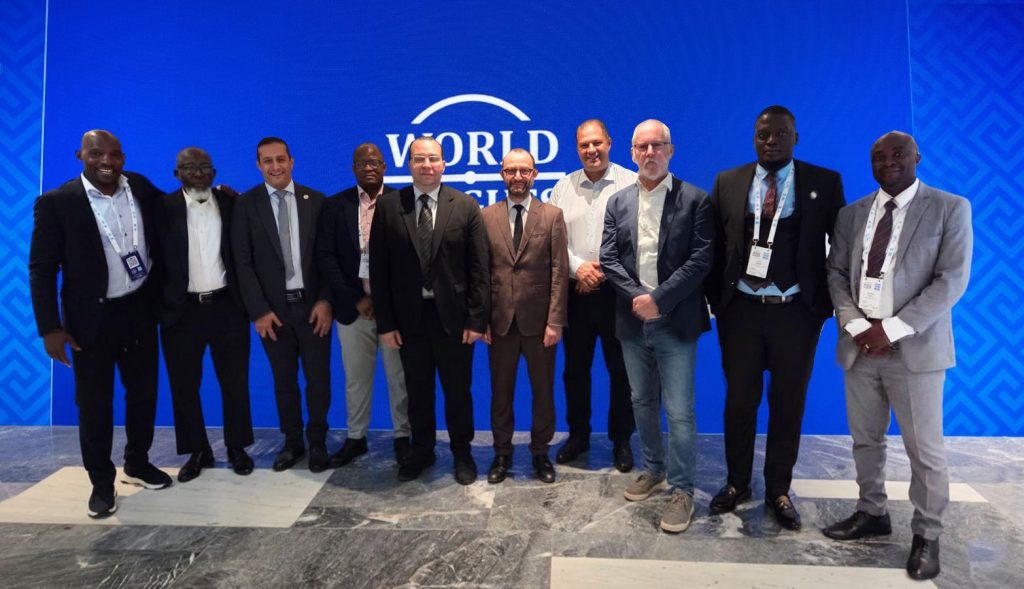
FIFPRO’s Board met in Hoofddorp, the Netherlands, to review its strategic direction and reaffirm its commitment to enhancing representation for professional footballers around the world.
Key discussions focused on regulatory updates, governance matters and ongoing programmes aimed at strengthening player protection and reinforcing institutional stability. The Board also acknowledged recent announcements from three member unions indicating their intention to withdraw from the organisation. Despite this, FIFPRO continues to represent national player unions globally, advocating for more than 65,000 professional footballers.
FIFPRO President Sergio Marchi emphasised that members had previously voted for structural reform, stronger governance and a more accountable leadership model. He reiterated that these changes were institutional rather than personal, underscoring FIFPRO’s identity as a collective global movement dedicated to unity, progress and serving the evolving needs of players in the modern game.
The Board welcomed continued progress across its divisions, notably the appointment of a player representative to the UEFA Executive Committee with full voting rights. The role is currently held by David Terrier, President of FIFPRO Europe. This marks the first time professional footballers have secured a formal seat and vote within European football’s highest decision-making body, further embedding the player voice in the governance structure of the game.
Marchi described the development as a significant step in advancing balanced governance, stressing that meaningful player representation ensures decision-making more accurately reflects the realities of professional careers.
The Board reviewed ongoing engagement with FIFA, particularly discussions surrounding revisions to the Regulations on the Status and Transfer of Players (RSTP). In light of recent legal developments — including the Diarra case — FIFPRO reaffirmed the need for football regulations to remain legally sound and aligned with players’ employment rights.
Members also highlighted the importance of broader stakeholder inclusion and more democratic decision-making processes in matters affecting players’ careers.
Updates were provided on player education initiatives, enhanced data protection measures and reports from committees operating under the new governance framework, including finance oversight, the Women’s Football Steering Council and the Commercial Supervisory Board.
The Board approved a set of progressive gender diversity recommendations aimed at further strengthening inclusion and leadership diversity within the organisation.
FIFPRO Secretary General Alex Phillips noted that the organisation is operating with increased transparency and accountability, supported by publicly available statutes and clearly defined governance structures. He affirmed that FIFPRO remains stable, independent and focused on delivering for players worldwide, guided by a strong mandate from its global membership.
The meeting concluded with agreement on key priorities for 2026, reinforcing FIFPRO’s continued commitment to stability, independence and robust global representation for professional footballers.